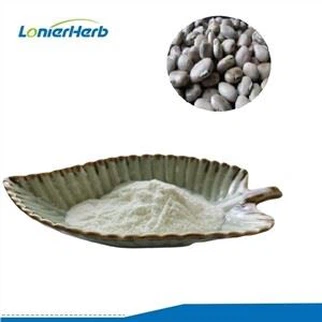
Ekstrakt Stevije RA98 posto, u jednoj rečenici, je prirodni zaslađivač u Kini koji je bio potisnut sintetičkim zaslađivačima više od 30 godina. Stevija se ekstrahuje iz Stevije, koja je nekada bila poljoprivredni usjev za podršku u Shanxi, Jiangsu, pa čak i Jiangxi u Kini. , ali su ga neke međunarodne kompanije za proizvodnju sintetičkih zaslađivača počele žestoko potiskivati prije 30 godina. Oduvijek se smatralo da steviol glikozidi nisu sigurni, a steviol glikozidi su izvedeni iz prirodne stevije. Godine 2008. američka FDA je konačno odobrila steviju kao prirodni zaslađivač, a mnoge zemlje traže nacionalno odobrenje, a odobrena je i Evropa. Stevija je od tada postala hit, sa-gorkim okusom. Ali on je najzdraviji prirodni zaslađivač.

China's stevia exports are not all smooth sailing. In 2002, some foreign media reported that stevia produced in China was harmful to the human body, which directly led to the removal of many foreign foods containing Chinese stevia, and many countries no longer imported Chinese stevia products. Affected by this, China's stevia exports fell into a trough in the following years.
The turnaround came in 2007. At that time, there was a wave of criticism of aspartame in the Western medical media, saying that regular consumption of food and beverages containing aspartame would cause Alzheimer's disease and other diseases. Some Western medical experts even believed that aspartame had similar effects to "Neurotoxin" side effects, these reports caused great panic in the Western market. Under this situation, western markets such as the United States re-examined the safety of synthetic sweeteners such as aspartame in food and beverages, and found that plant-derived stevia is the most ideal substitute for synthetic sweeteners. Under the strong pressure exerted by many food manufacturers in the United States, the US FDA finally agreed that stevia can be used in food and beverages in 1998, and since then recognized that stevia is a GRAS-grade food additive.

This is equivalent to issuing a pass for stevia to enter the developed country market. Soon, stevia has been widely used in the production of various food and beverages and sugar-free foods in foreign markets. After 2007, China's stevia exports began to increase, from less than 100 million US dollars in 2007 to 125 million US dollars in 2009, and soared to 570 million US dollars in 2011, thus making stevia become a domestic product. The largest export value of plant extract products. Jiangxi, Shandong and Jiangsu are the three provinces with the largest export volume of stevia in China, and the output and export volume of stevia sugar account for 80 percent of the total domestic output and export volume.
Japan, Sjedinjene Američke Države, Južna Koreja, Malezija, Kanada, Meksiko, Rusija, Švicarska i druge zemlje su glavna tržišta za Kinu za izvoz stevije. Trenutno je ukupna prodaja na globalnom tržištu stevije dostigla 1,5 do 1,7 milijardi američkih dolara, uz godišnju stopu rasta od više od 21 posto.
Dakle, Stevija je vrednija od šećera i više je zdravlja.
LonierHerb are mainly do Stevia for more than 10 years,if any interested,please contact
putem e-pošte:info@lonierherb.comili WhatsApp/Wechat:86-17702909819